Sports & animal tracking
Local positioning for sports: precise tracking indoors and out, quick to set up
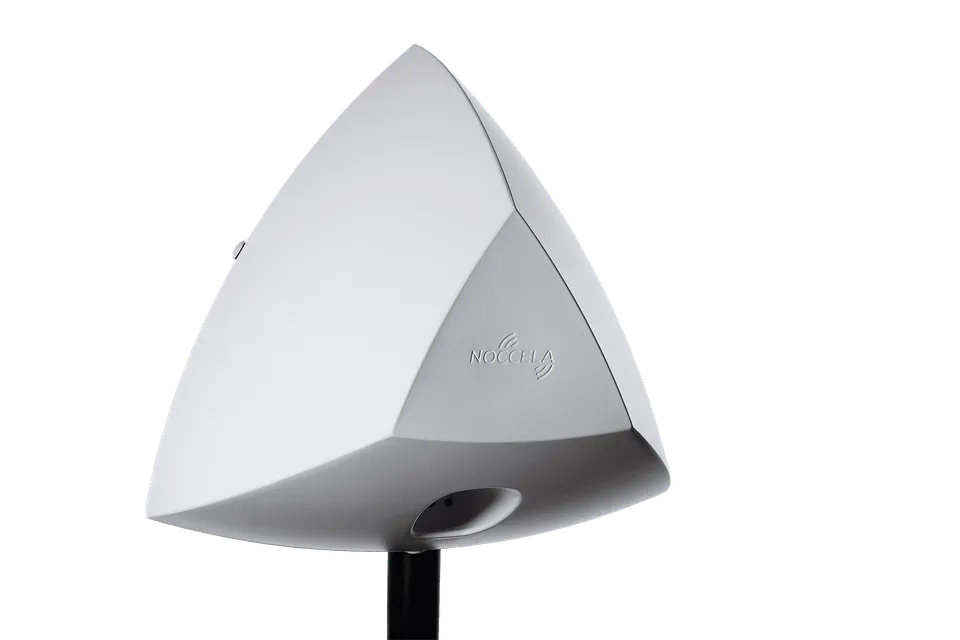
Base stations (UWB anchors) go on fences, poles or tripods around the field, calibrate themselves while you walk a tag to the corners, and stream live positions to your own analytics. For football, other team sports and equestrian centres.
Why player tracking is harder than it looks
Three problems that sports clubs, academies and analytics companies run into.
-
GPS stops at the door
Satellite tracking does not work in sports halls and riding halls. In the SPÅT project, GPS-based systems were also too expensive for junior teams.
-
Nothing can hang above a pitch
Indoor positioning usually puts base stations on the ceiling. Football fields rarely have one, and balls would hit anything placed above the players.
-
Set-ups that need a surveyor
If every anchor position has to be measured exactly, the system cannot move between training grounds and tournament venues.
The numbers sports buyers ask for
- Base stations around a football pitch in the SPÅT project
- 16
- Positioning accuracy, up to
- 10 cm
- Configurable update rate
- 0.1–50 Hz
GPS, local positioning or cameras?
Each technology has its place. GPS is simple outdoors, cameras suit stadium broadcasts, and UWB local positioning gives precise live data indoors and outdoors with a portable set-up.
| Technology | Indoors | Outdoors | Typical precision | On-site infrastructure |
|---|---|---|---|---|
| GPS (GNSS) wearables | No | Yes | Typically metres; depends on satellite visibility | None on site |
| UWB local positioning Noccela | Yes | Yes | Decimetres to centimetres; up to 10 cm | Base stations around the field |
| Camera (optical) tracking | Yes, with cameras installed | Yes, with cameras installed | Depends on cameras and calibration; players must be identified | Cameras around the venue |
For a deeper comparison, read indoor positioning technologies compared.
How it works
How a pitch is set up
The sports set-up is built to be carried, put up and calibrated by a coach, not by a radio engineer.
-
Place the base stations
Mount Sports Beacons on fences, poles or tripods around the field. In the SPÅT project, 16 covered a football pitch. Nothing goes above the players.
-
Power and connect
Use mains power, or a USB-C power bank with the Extension Box, which also connects the base station over Wi-Fi to a local or LTE router.
-
Walk the corners
Carry a tag to the corners of the field. The system works out the base-station positions itself: no floor plan and no measuring.
-
Track and stream
Players or horses wear tags. Positions stream live to the cloud and on to your own app or analytics through the API.
Products for sports
Outdoor and indoor base stations, the Extension Box for cable-free set-ups, and tags. Ask us about wearable options for players and animals.
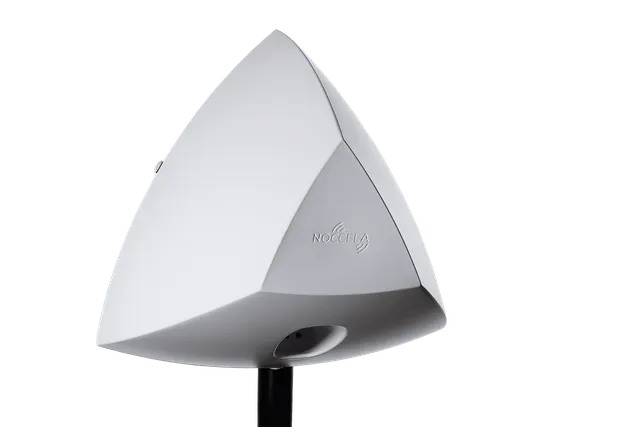
Sports Beacon
Rugged base station for sports fields, outdoor areas and harsh industrial sites.
DetailsExtension Box
Run a base station (UWB anchor) from a power bank over Wi-Fi: no cabling needed.
Details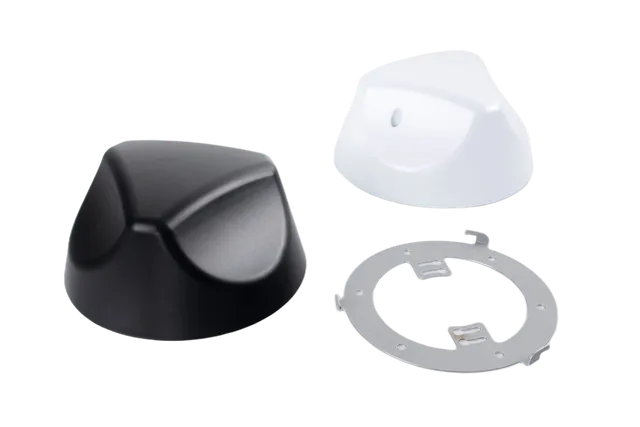
Beacon 3
Compact PoE base station for indoor sites, installed like a security camera.
Details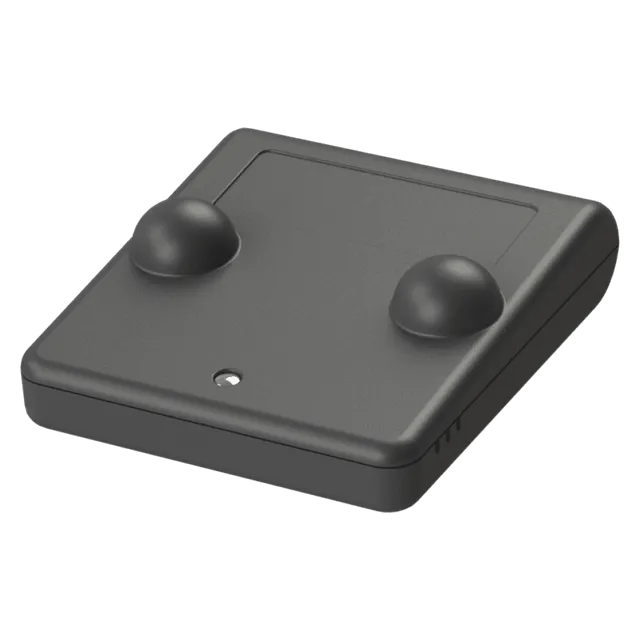
Smart Tag
Small asset tag for tools, carts, pallets and equipment.
DetailsProof
On the pitch and in the stable
Two public projects: football analytics with SPÅT in Turku, and horse tracking at Harjun Oppimiskeskus with Fidera.
SPÅT / TKOMV Turku · Sports analytics
From 36 to 16 base stations per football pitch, with nothing above the field
Turku, Finland
- Base stations per pitch, first layout
- 36
- Base stations per pitch, today
- 16
- Base stations above the field
- None
- Calibration
- Automatic
Harjun Oppimiskeskus · Equine education and research
Horse tracking with 3–10 cm accuracy indoors and 25 cm outdoors
Ravijoki, Finland · With Fidera
- Outdoor area
- 7,000 m², 25 base stations
- Indoor area
- 1,500 m², 12 base stations
- Accuracy indoors
- 3–10 cm
- Accuracy outdoors
- About 25 cm
Build your own sports product on it
Analytics companies, clubs and federations can run their own app, brand and data model on Noccela positioning.
Live positions through the API
SDK and quickstart
Partners and OEMs
Frequently asked questions
How accurate is the tracking at full speed?
How many base stations does a football pitch need?
Do the base stations have to be surveyed?
Does it work indoors and outdoors?
What update rate do live streams have?
How are the base stations powered outdoors, and in what conditions do they work?
Can we use our own app or analytics platform?
Is the system FIFA EPTS certified?
Can the set-up be moved between venues for tournaments?
Can horses and riders be tracked?
Track your next session
Tell us about your field, hall or track and what you want to measure. We will tell you how many base stations it takes and how the set-up works.